A friend recently described our current dilemma as multiple, pointing out that “paywalls are a flawed replica of old perspectives,” an outdated attachment to artificial scarcity. In today’s digital reality, files may feel anachronistic, and we value them. What is the purpose of an ineffective, nuisance-at-best paywall?
Furthermore, creators are conduits—ideas flow through them, and they shape these impulses into art. They are not primarily money-makers; however, they deserve the resources and support necessary to keep birthing ideas into the world, be it on small stages or before large crowds.
This piece is a sequel to my earlier article, “Proclaiming an Open-Access Revolution”, outlining practical, working, cheaper, easier, and often more profitable alternatives to paywalling content. By embracing these models, creators honor the infinite replicability of digital files while ensuring livability of their desires.
Morality & Ethics: Paywalls not only feel but are outdated, given that digital files are infinitely replicable.
Surplus Mindset: Letting art spread expands viewership, which naturally builds the creator’s base of support.
Profitability Models:
Community Patronage
Tiered Commercial Licensing
NFTs & Royalties
Events & Workshops
Authorship: The creator is a channel—not an owner—of ideas, deserving resources to keep birthing them into reality.
Paywalls hinge on commodity logic in a context where copying is effortless. Acknowledging this surplus means letting people freely encounter the art, which then cultivates a larger audience. That broader reach translates into direct support, whether through donations, commercial fees, or fans paying for personal engagement.
Real profitability arises from distinguishing everyday sharing (zero cost to the artist) from profit-driven scenarios. Community patronage, commercial licensing, NFT royalties, and events reframe the focus around genuine connection and the creator’s labor, rather than blocking the flow of “files.” Increased visibility brings new avenues for backing, sustaining a healthy creative ecosystem.
Authorship, meanwhile, is about channeling ideas, not hoarding them. Whether teaching in small circles or speaking to mass audiences, the creator’s time and presence remain finite—generating unique value in an otherwise copy-rich landscape. The result is an approach that merges open access with ample opportunities for revenue, reflecting our digital era’s reality.
Paywalls impose the notion of scarcity onto something infinitely shareable. By letting works circulate freely, artists acknowledge the boundless nature of digital creation. That doesn’t diminish the artist’s contribution; it highlights their essential role in refining raw inspiration into shareable art—and implies that fair compensation can stem from a deeper, voluntary appreciation of that role.
In a world of near-instant duplication, restrictive practices can stunt growth rather than protect income. The more widely a work spreads, the greater the pool of potential supporters. A simple formula reflects this:
Revenue = Viewers × %Patreons × $Donations-and-support
Boosting Viewers can amplify overall support, provided you make it easy for people to discover and engage with your work.
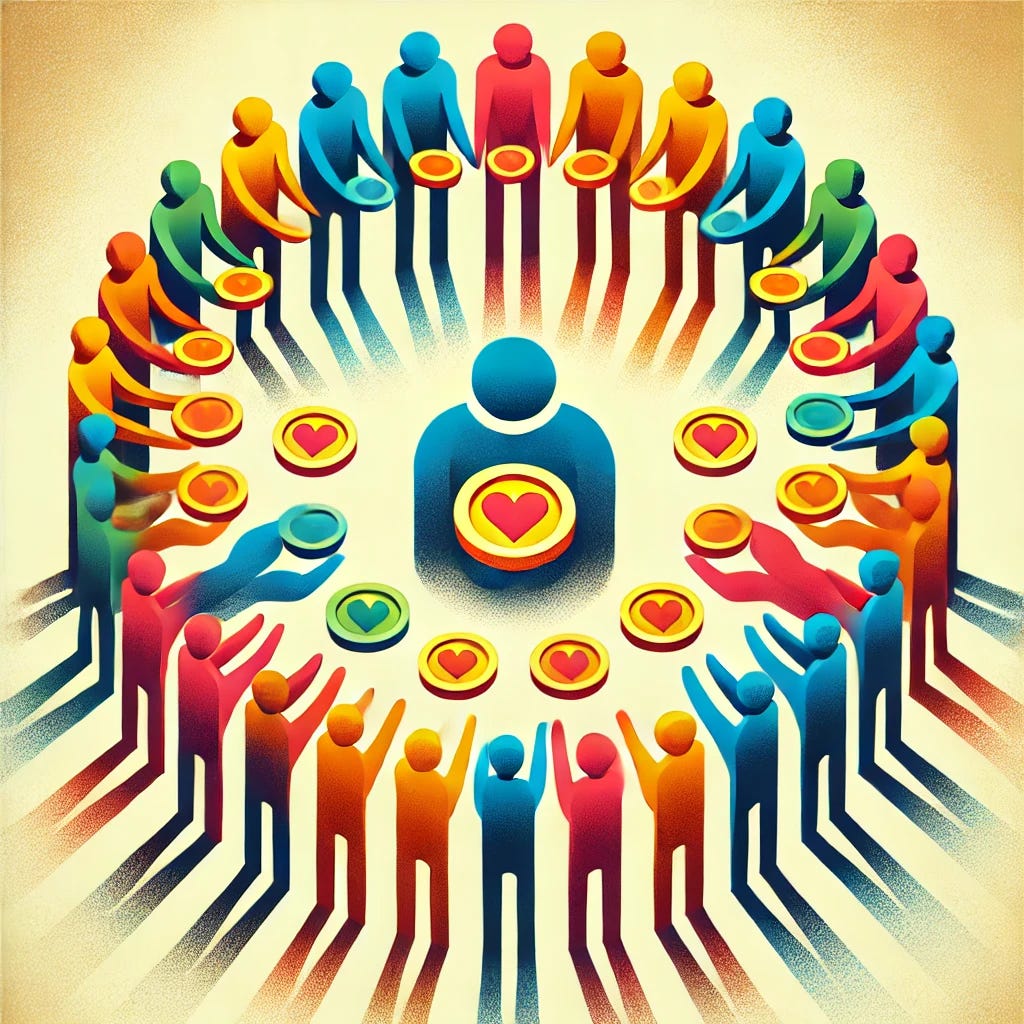
Rather than charging per file, rely on audience goodwill. On platforms like Patreon or Ko-fi, supporters contribute to the ongoing process of creation. The files remain free, yet many fans will gladly pay to ensure the art continues.
Not all usage is personal or nonprofit. If bars, radio stations, or YouTubers make money using your content, a transparent licensing fee acknowledges your creative labor. This approach respects open sharing for noncommercial purposes while fairly monetizing commercial gains.
By minting NFTs on Cardano, Ethereum, or another blockchain, you can embed ongoing royalties. Each resale of the token triggers an automated payout, ensuring creators benefit from secondary markets. The file itself remains easily shareable, while collectors value the verifiable “original.”
In-person or livestreamed, real-time experiences can’t be duplicated. Whether you’re hosting a Q&A or performing live, your presence is finite—thus inherently valuable. People who discovered your work for free often become the most enthusiastic attendees.
Paywalls are relics of an era where art was forced into a purely commodity form. Digital technology offers abundance rather than scarcity, suggesting new frameworks for both sharing and earning. By pairing open distribution with community patronage, commercial licensing for profit-based use, NFT royalties, and event-driven engagement, we affirm the creator as a vital channel of ideas—rewarded without enclosing their work.
Disclaimer: This article reflects the writer’s personal opinion. Always adapt and verify any approach according to your specific needs and local regulations.